Answer Brief
The Answer, Briefly
China’s 2026 National Day holiday runs from October 1 through October 7. International visitors can travel during this period, but they should expect stronger domestic demand for intercity transport, major attractions and well-located hotels. The right response is not automatically to cancel. It is to decide early whether the trip’s dates are fixed, then reduce unnecessary movement and secure the route in the right order.
If your dates are flexible, arriving after October 7 usually creates a calmer planning brief. If the dates are fixed, a smaller route with confirmed transport and timed-entry reservations is more defensible than an ambitious multi-city circuit.
In This Guide
What The 2026 Calendar Actually Says
The State Council’s published 2026 holiday calendar and the Beijing municipal public-holiday page list National Day as a seven-day holiday from Thursday, October 1 to Wednesday, October 7. September 20 and October 10 are adjusted working days. Mid-Autumn Festival is a separate three-day holiday from September 25 to 27.
Those dates matter because leisure demand can build before October 1 and does not fall evenly at midnight on October 7. A traveler combining the two official holidays with personal leave may create a longer break, while schools, companies and individual destinations can produce their own demand patterns. Treat the official calendar as the fixed starting point, not a prediction of identical crowds everywhere.
Should You Travel During Golden Week?
Keep The Dates When They Are Genuinely Fixed
Golden Week can still work when international flights, school calendars or a business event leave no realistic alternative. It is also manageable when the traveler accepts three conditions: fewer bases, earlier decisions and less spontaneity at headline sites.
A Beijing–Xi’an–Shanghai circuit is possible, but every transfer adds a point of failure. A trip centered on one city and one regional extension is easier to protect. Start with AVIORA’s destination overview and compare it with the current private journey collection before deciding how many stops the week can support.
Shift The Trip When Flexibility Is Valuable
Travelers who care most about quiet galleries, unhurried hotel choices, flexible restaurant decisions or photography without dense visitor flows may prefer dates after the holiday. Moving even the busiest sightseeing days outside October 1–7 can matter more than changing the entire international trip.
Do not assume late September is automatically quiet. The Mid-Autumn Festival runs September 25–27 in 2026, so a route spanning both holidays needs its own demand check.
Redesign Rather Than Simply Compress
The most common planning mistake is keeping every desired city while shortening the time available at each one. Fast trains do not remove station transfers, ticket-release windows, hotel check-in or attraction reservations. During a demand peak, a realistic route protects the important chapters and drops optional moves.
What To Reserve, And In What Order
1. Fix The International Gateway
Confirm the international arrival and departure airports first. Record the airport codes, landing time, immigration allowance and the first hotel’s full address. An open-jaw itinerary—arriving in one city and leaving from another—can remove a domestic backtrack, but only when the international fare and entry conditions support it.
2. Lock The City Sequence And Hotel Bases
Choose the order of cities before selecting individual attractions. During Golden Week, a hotel’s location can be more important than an extra room feature. A central base may reduce repeated cross-city travel; a station-adjacent night can protect an early departure. Ask for the exact room category, bed configuration, breakfast arrangement and cancellation terms in writing.
3. Watch Official Transport Sales Channels
Rail and airline inventory is released and managed on the operator’s timetable. China Railway’s official 12306 service is the authority for train availability, not a screenshot from an old blog. Create the passenger profile with the same passport that will be carried, identify acceptable train alternatives and note the correct station names before the sales window opens.
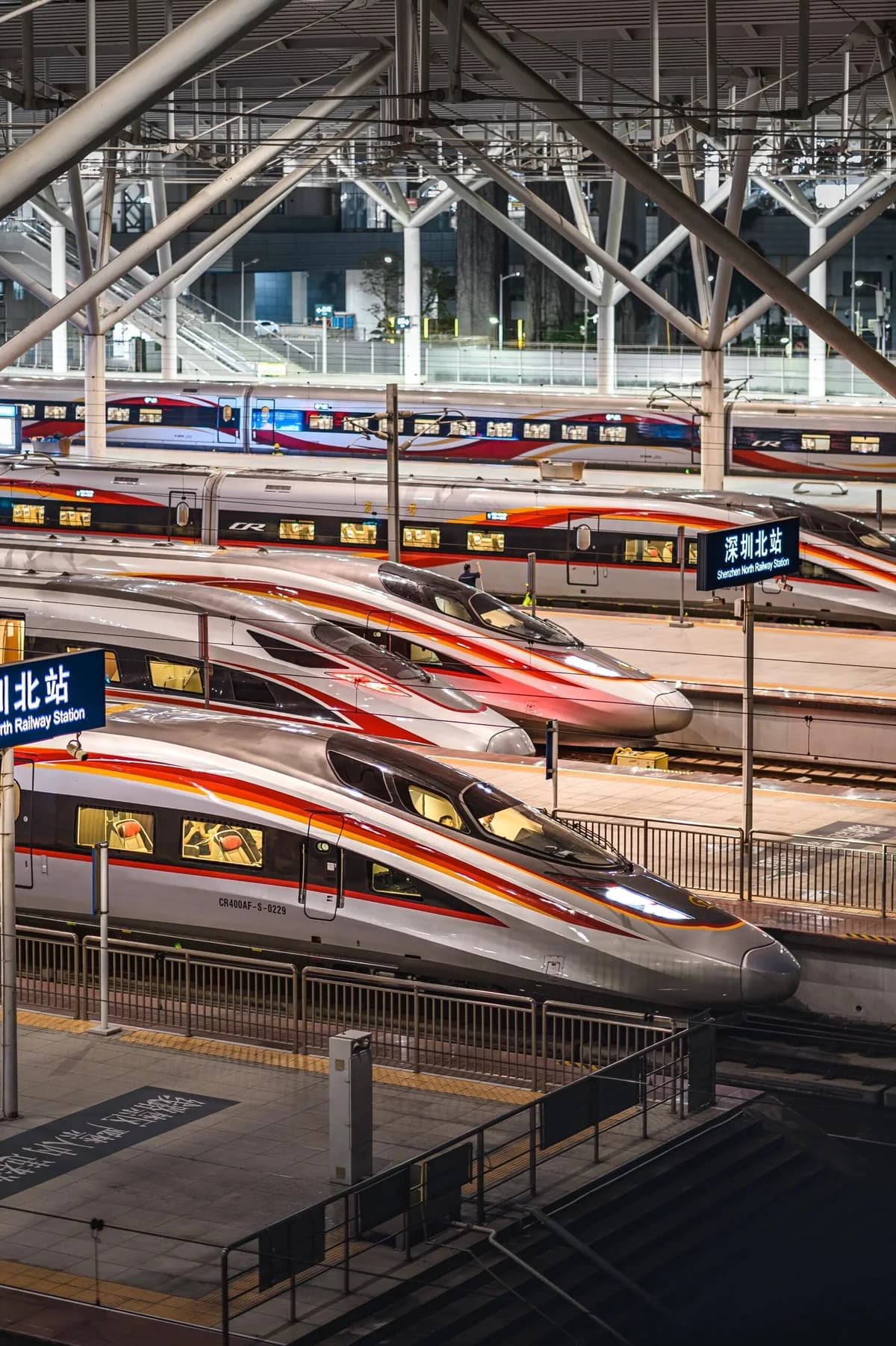
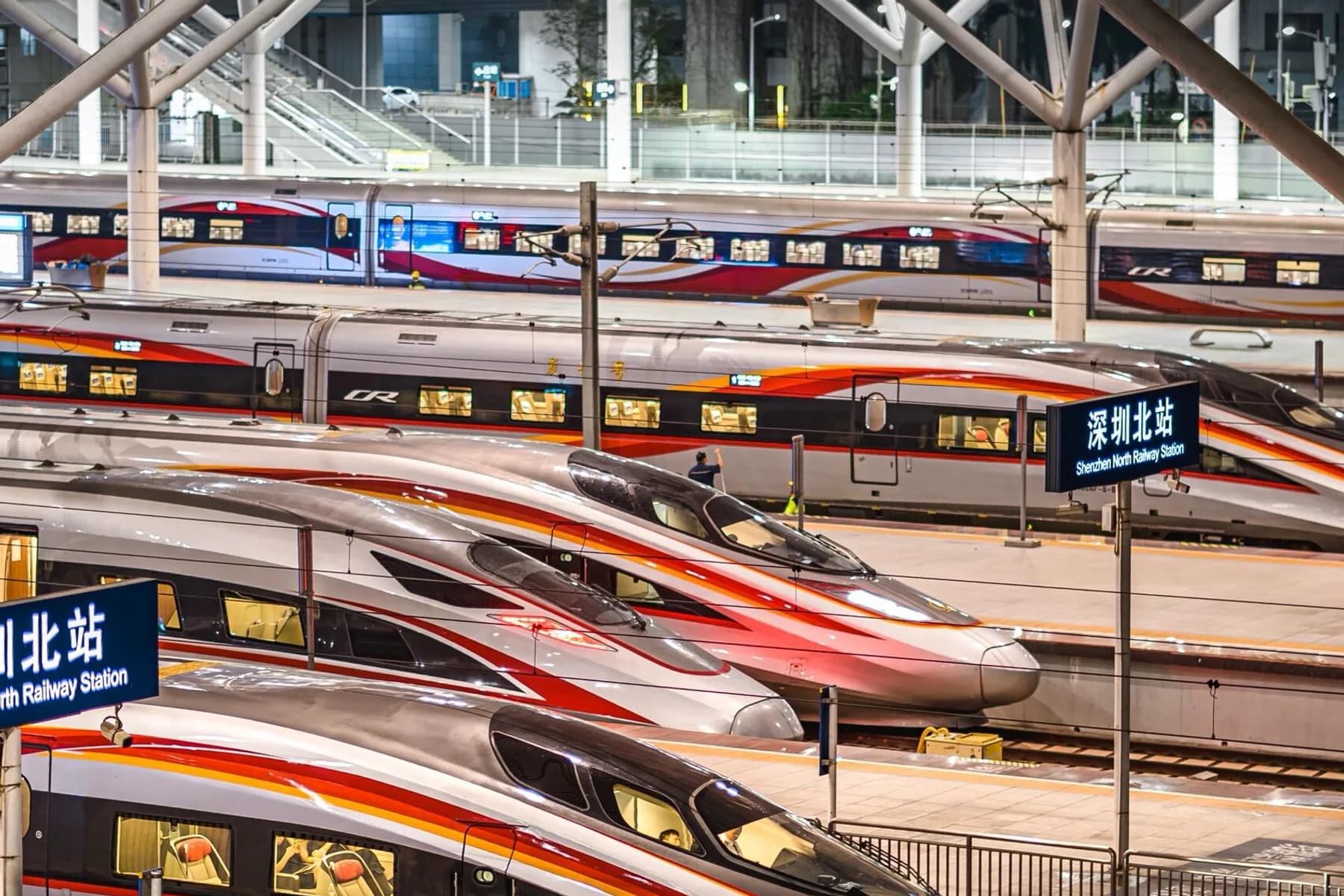
The existing China high-speed train guide explains the passport-to-platform process. For Golden Week, the additional decision is whether the route still works if the preferred departure is unavailable.
4. Reserve Capacity-Controlled Attractions
The Forbidden City, the Terracotta Army and other high-demand sites use real-name or timed reservation systems. Release dates and channels are not universal. Keep every traveler’s passport details consistent, use official booking information and preserve an alternative activity in the same city in case a preferred slot cannot be secured.
5. Confirm Local Operations Close To Travel
Opening hours, traffic controls, scenic-area shuttles and weather measures can change. Reconfirm the live operating notice, driver access point and guide meeting place shortly before each visit. Written confirmations are especially valuable when a city is operating at holiday scale.
How To Reduce Crowd Pressure Without Making False Promises
No planner can promise an empty Forbidden City or Great Wall during National Day. What can be controlled is the sequence of decisions.
- Start early where the official opening time and transfer plan allow it.
- Separate major monuments instead of stacking several timed entries on one day.
- Use one hotel base for longer, reducing packing and transfer exposure.
- Keep meals flexible near major sights and reserve only the experiences that justify a fixed time.
- Build an indoor or neighborhood alternative for weather or capacity changes.
- Avoid same-day intercity transfers before a non-refundable international departure.
Private transport can reduce uncertainty between confirmed points, but it does not bypass public ticket rules, road controls or attraction capacity. A good plan states that limit clearly.
A Practical Decision Framework
Choose travel during October 1–7 when the dates are fixed, the party accepts structured days and the route can be reduced to a few essential bases.
Choose travel immediately after October 7 when calmer pacing and more accommodation choice are worth changing the calendar.
Choose a split itinerary when international flights are fixed but the most sensitive attractions can be moved outside the holiday itself.
AVIORA can turn the preferred option into a written route with hotel assumptions, transport alternatives and a reservation calendar. Start with the China planning hub, then request a private proposal with exact travel dates and passport nationalities.