All destinations
Modern China · east
Shanghai
A confident waterfront city where Art Deco streets, local neighborhoods and new China meet.
2–4 nightsAn easy finale
Culture and historical context
A Chinese port city that continually rewrites itself
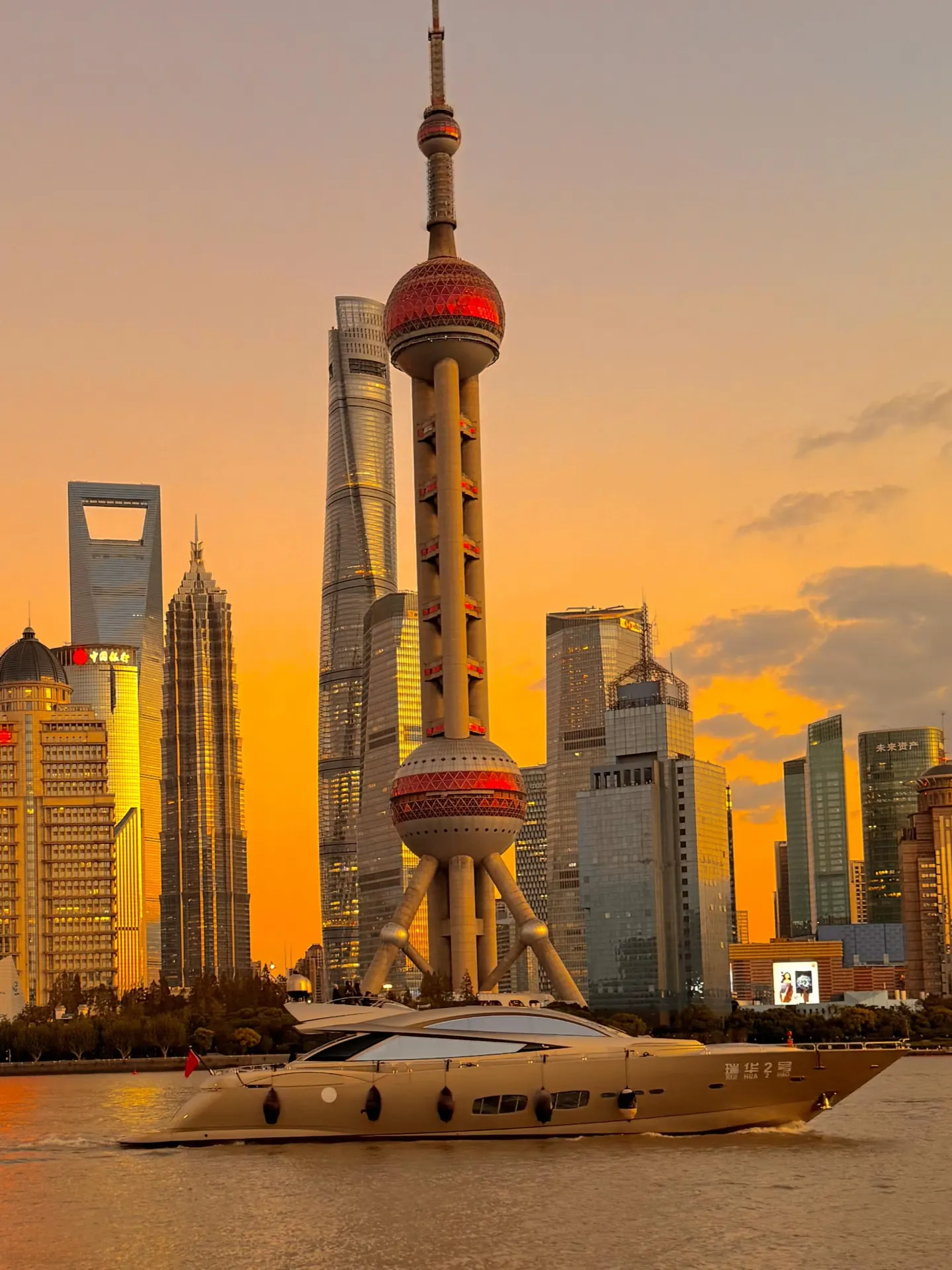
Shanghai's modern identity grew from its position on the Huangpu River and its role in global trade. The Bund's banks and trading houses face Pudong's towers across the water, turning one riverfront into a visible timeline of economic change.
The city becomes more human away from the skyline. Lilong lane housing, former concession streets, temples, markets and neighborhood parks reveal how local life adapted through dramatic political and commercial change. Shanghai is most rewarding when modern ambition and lived-in streets share the itinerary.
A real route including Shanghai
Private Shanghai in One Day, Seamlessly Handled
1 private day · about 8 hours · Shanghai hotel · Old City · Bund · Former French Concession · Shanghai hotel
Why this destination
Why Shanghai belongs in the route.
Shanghai works as an easy international arrival, a modern contrast to the historic capitals, or a protected final stop before flying home. Its value lies beyond the skyline: former concession streets, local markets and river history explain how the city became modern China.
We recommend 2–4 nights here. The right onward connection depends on your season, available time and the contrast you want from the next destination.
Food and social life
Delicate seasoning, river produce and neighborhood breakfast culture
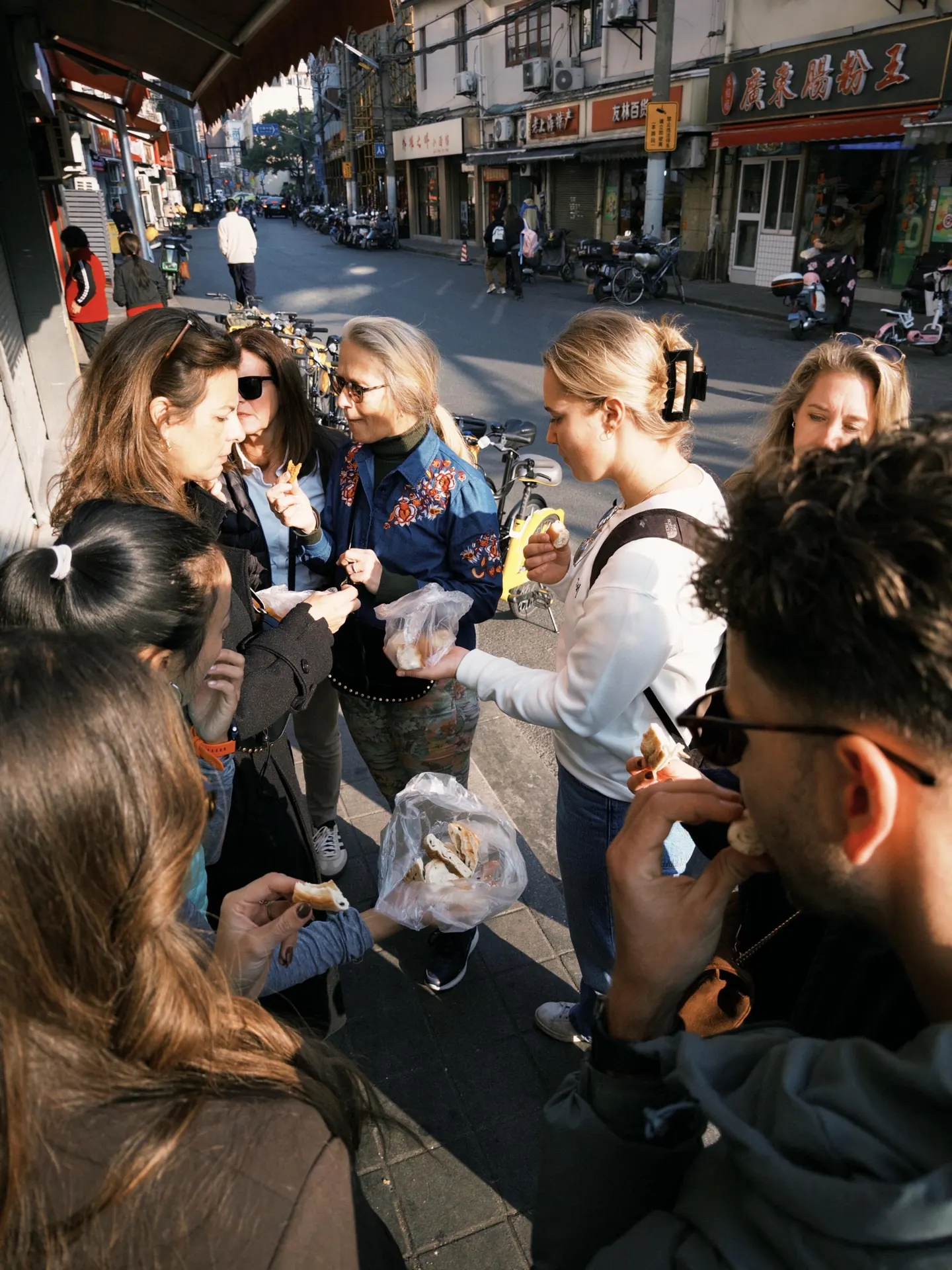
Shanghai cooking tends to be sweeter and more restrained than Sichuan food, with soy-braised dishes, freshwater ingredients and seasonal vegetables. Xiaolongbao are well known, but breakfast stalls and neighborhood shops often provide the clearest introduction.
A food route should be planned around freshness and geography. Rather than crossing the city for one famous shop, combine tastings with markets, lanes and architecture so food explains the neighborhood around it.
Signature experiences
What gives Shanghai its character.
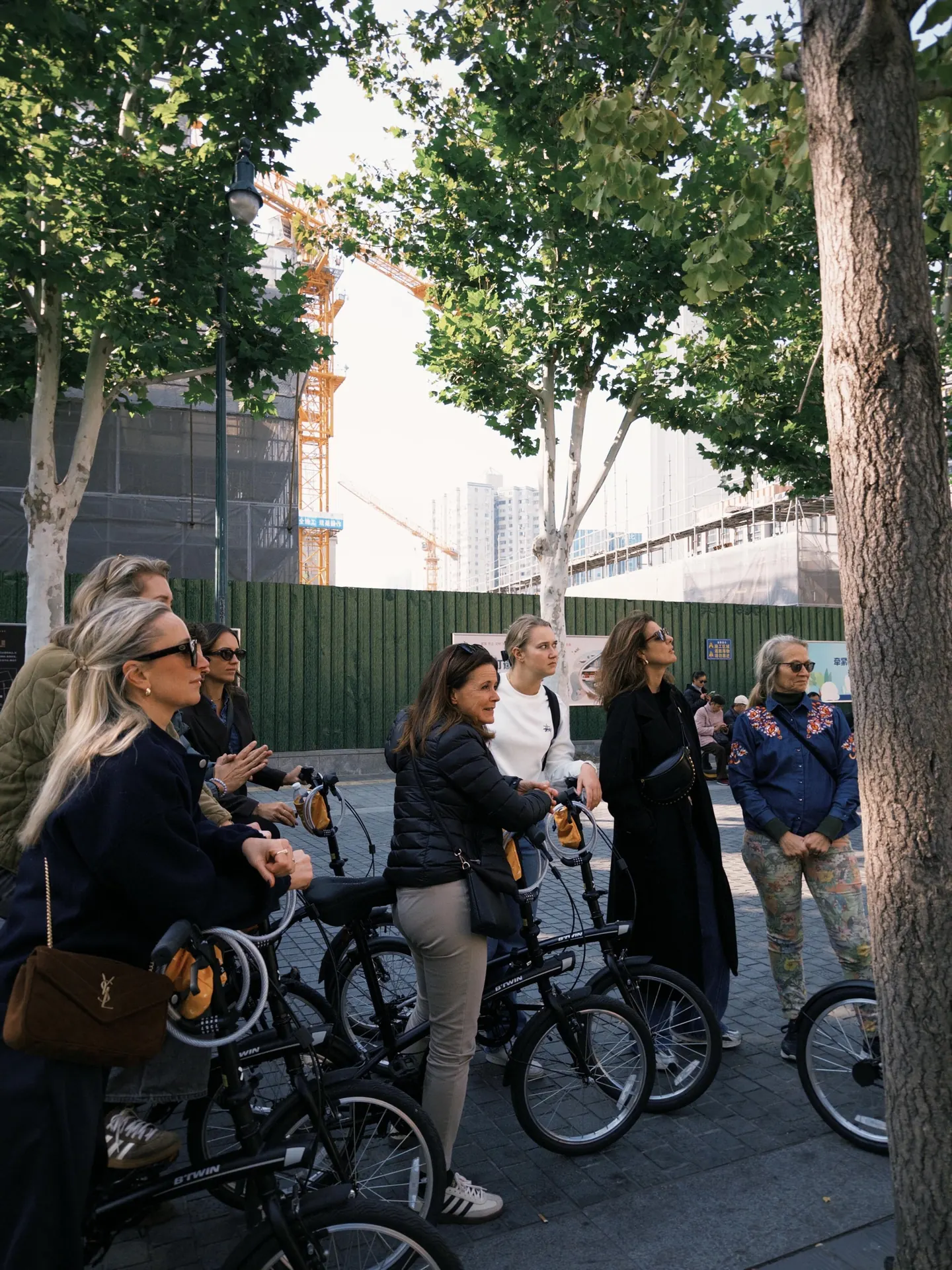
Explore former concession streets, lane neighborhoods and local food at street level
Use an evening river view or rooftop selectively rather than chasing every skyline angle
Suggested Shanghai itinerary
A realistic way to use 2–4 nights.
Day 1
River and skyline
Bund history, Pudong's rise and a well-timed evening beside the Huangpu.
Day 2
Shanghai at street level
Former concession streets, local food, markets and residential lanes.
Day 3
Old city and personal interests
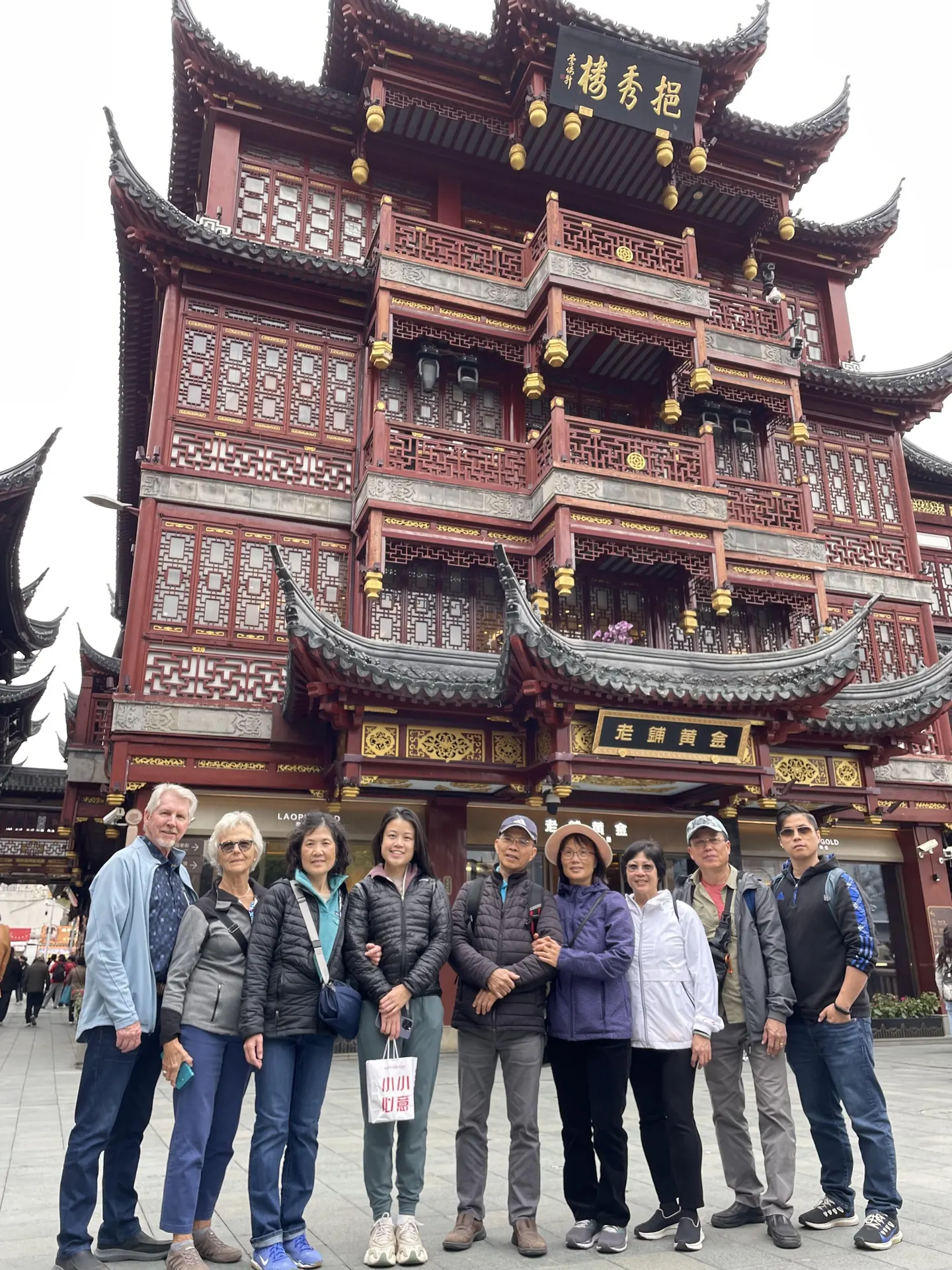
Yu Garden area plus design, art, Jewish heritage or a slower neighborhood route.
When to go
Season changes the feeling.
March to May and October to November are usually comfortable for walking. Summer is hot and humid, while winter is cool and often manageable with layered clothing.
Planning notes
- Check whether your flight uses Pudong or Hongqiao airport
- Protect the final Shanghai night before a long-haul departure when the route includes domestic travel
- Choose hotel location around the experiences you want, not simply the tallest view
Practical orientation for international visitors
How Shanghai works on the ground.
Arriving and connecting
Pudong handles most long-haul international flights; Hongqiao is closer to central Shanghai and shares a transport hub with a major high-speed rail station. Always verify the airport and terminal before departure.
Getting around
Shanghai's metro is efficient and extensive. Private transfers remain useful with luggage, for airport movements and when a tailored neighborhood route would otherwise require repeated changes.
Where and how long to stay
The Bund and former concession area provide different atmospheres. Two full days give a useful introduction; three or four nights allow neighborhoods, food and a day trip or a less hurried final departure.
What first-time visitors often underestimate
Pudong and Hongqiao are not interchangeable. A transfer planned for the wrong airport can create a serious departure problem.
Nearby chapters
Continue through east.
Private journeys including Shanghai
See how Shanghai fits into a considered route.
These are published AVIORA products, not generic route suggestions. Open any journey to review its day-by-day structure, included private services and planning options.
Photography being preparedRoute and service details are ready to plan1 private day · about 8 hoursPrivate Shanghai in One Day, Seamlessly HandledShanghai hotel · Old City · Bund · Former French Concession · Shanghai hotelView journey 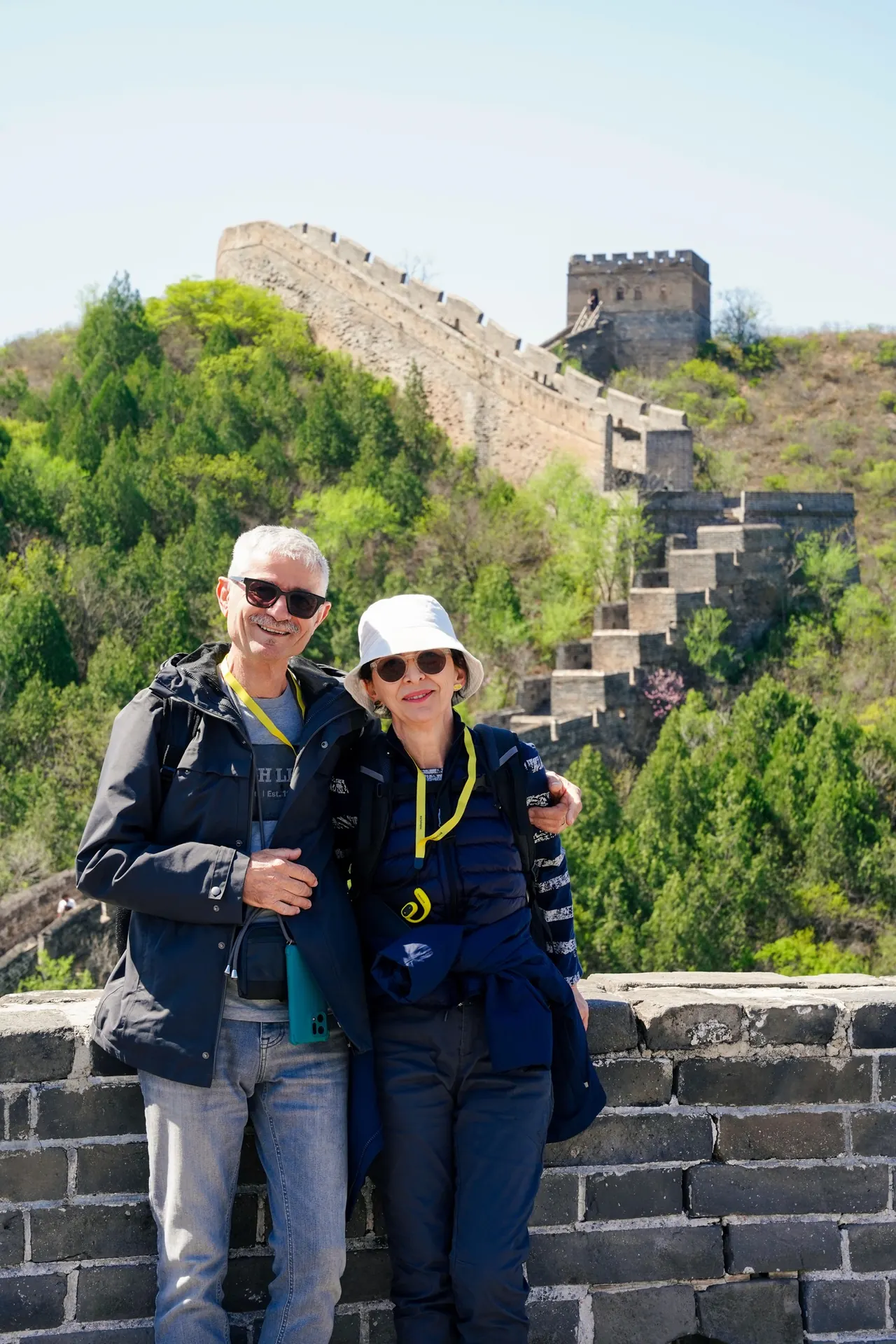 12 days / 11 nightsChina, Considered: Beijing, Xi'an & ShanghaiBeijing, Xi'an, ShanghaiView journey
 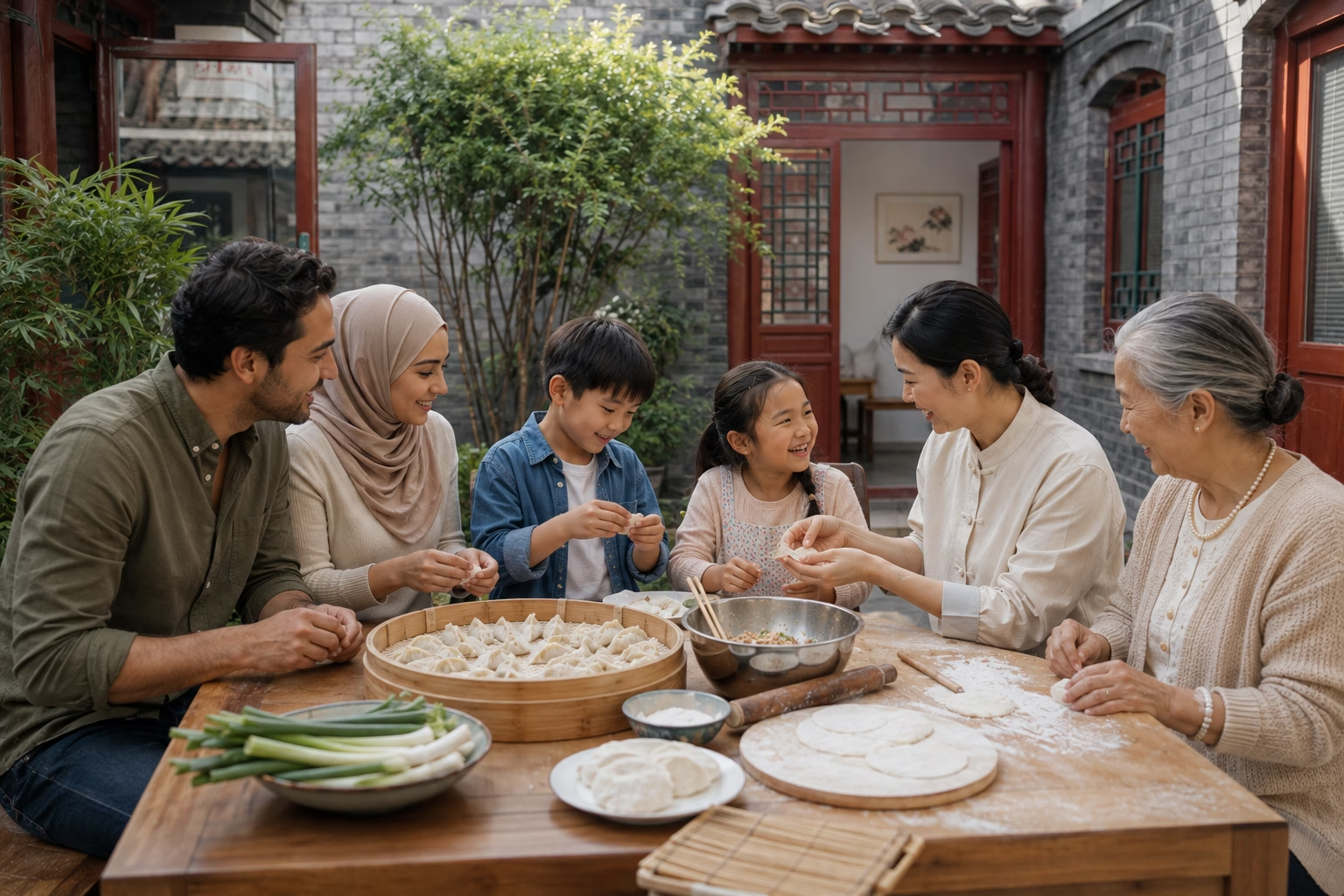 12 days / 11 nightsChina, Made for Families: Great Wall, Warriors & PandasBeijing, Xi'an, Chengdu, ShanghaiView journey Photography being preparedRoute and service details are ready to plan13 days / 12 nightsChina, From the Great Wall to Desert StarsBeijing, Xi'an, Yinchuan, Zhongwei, ShanghaiView journey
 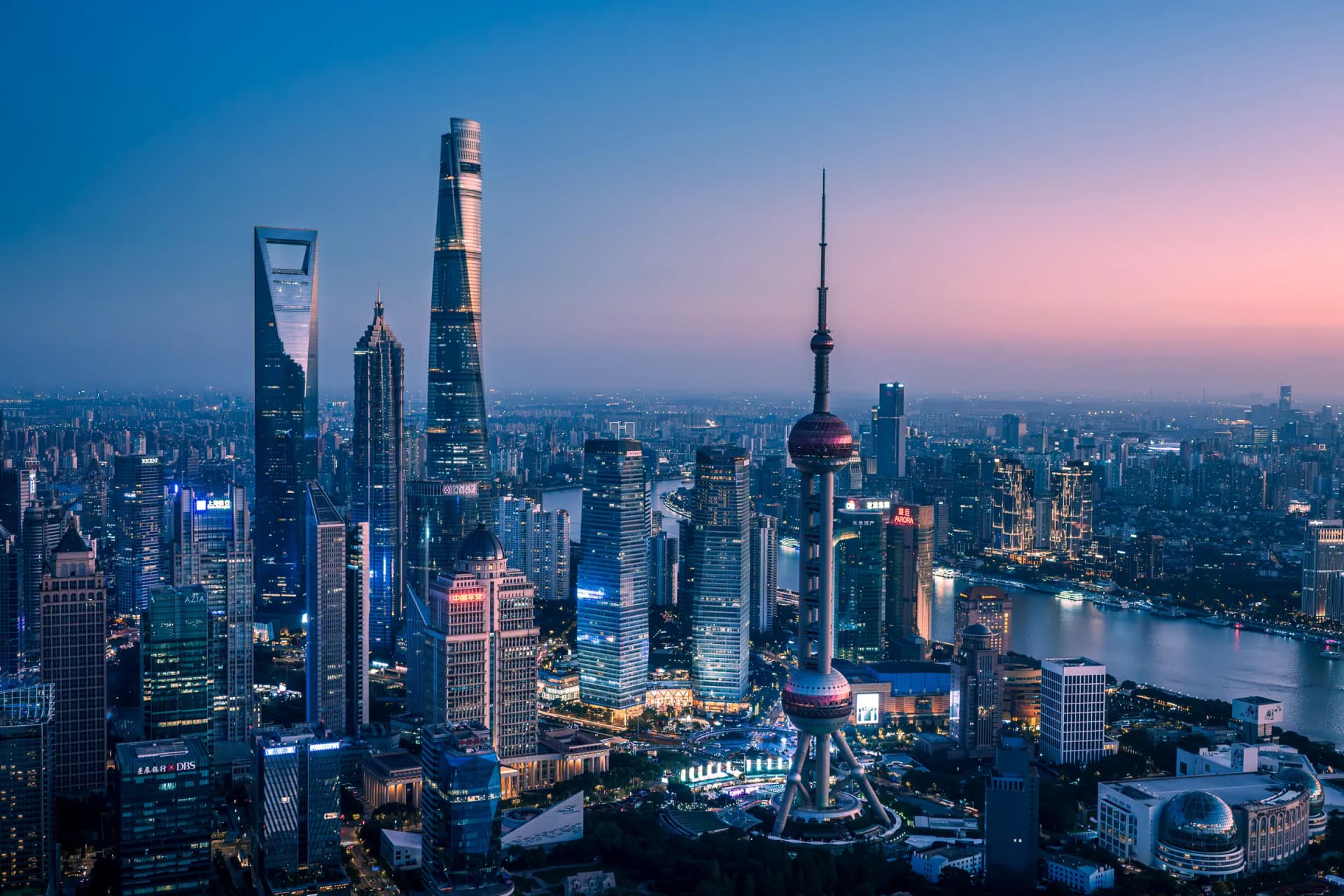 11 days / 10 nights11-Day Beijing, Xi'an, Chengdu & Shanghai Private TourBeijing, Xi'an, Chengdu, ShanghaiView journey
 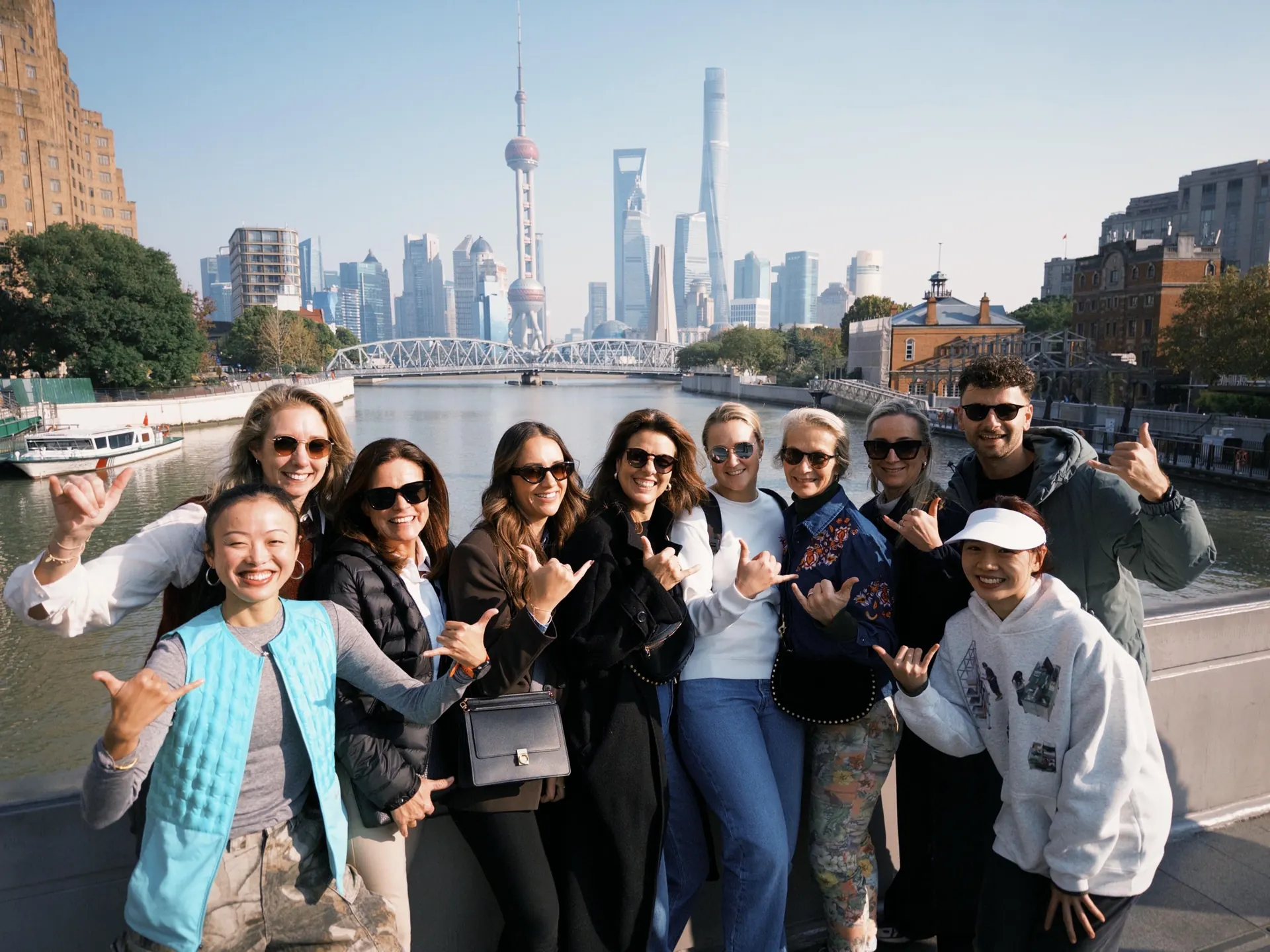 9 days / 8 nights9-Day Beijing, Xi'an & Shanghai Private TourBeijing, Xi'an, ShanghaiView journey
  8 days / 7 nights8-Day Shanghai & Zhangjiajie Private TourShanghai, Wulingyuan, ZhangjiajieView journey
Shanghai travel FAQ
Clear answers before you choose the route.
How many days should I spend in Shanghai?+
Two full days cover the Bund, central neighborhoods and modern skyline. Three or four nights work better if Shanghai is your arrival city, departure buffer or base for a nearby excursion.
Which Shanghai airport should international visitors use?+
Most intercontinental flights use Pudong, while Hongqiao handles many domestic and regional services. Use the airport printed on the confirmed ticket, not a general Shanghai airport assumption.
Is Shanghai a good first stop in China?+
Yes. It offers strong international air access, an efficient metro and a relatively gentle introduction to mobile payments, food and contemporary city life.
Practical planning guides
Prepare for Shanghai with clearer answers.
Destinations · 10 min readFour Days In Shanghai: A First-Time Itinerary That Leaves Room To LookA four-day Shanghai itinerary built around geography, opening times, weather and the difference between seeing a landmark and having a day in the city.Luxury Hotels · 10 min readWhere To Stay In Shanghai For A First Visit: Five Areas ComparedA Shanghai neighborhood comparison for first-time visitors who want a hotel that supports the whole itinerary instead of one attractive photo.Travel Guides · 12 min readBest Apps For China Travel In 2026: What To Set Up Before You FlyThe practical order for setting up China travel apps, with backup methods for the moments when verification, data or a pickup pin fails.
Private China planning
Build Shanghai into the right private tour.
Share your dates, travelers and hotel expectations. We will recommend the right stay, onward connection and private service plan.