Answer Brief
The Answer, Briefly
China Customs permits travelers to carry small, reasonable quantities of medicine for personal use when the medicine does not contain prohibited narcotic or psychotropic substances. Controlled medicines require closer review and supporting documents. Travelers should keep medicines in original labeled packaging, carry the prescription or medical record, and declare them proactively when the official rules or the medicine’s classification make that necessary.
Clearance is always subject to the customs officer’s on-site decision. This guide is a preparation framework, not medical or legal advice; the traveler and prescribing clinician must verify the exact active ingredient and classification before departure.
In This Guide
Start With The Active Ingredient, Not The Brand
Medicine brand names differ between countries. Customs and medical professionals need the generic active ingredient, strength, dosage form and quantity. Ask the prescribing clinician or pharmacist to produce a list that includes:
- traveler’s full name and passport number;
- diagnosis or medical need where appropriate;
- generic name and brand name of each medicine;
- strength, dose and dosing schedule;
- total quantity carried and trip duration;
- prescriber’s name, registration details and contact information; and
- special handling needs such as refrigeration, needles or liquid volume.
The letter should be in English or accompanied by a reliable Chinese translation if the medicine is complex. A translation supports communication but does not change the legal classification.
Ordinary Prescription Medicine
The June 29, 2026 guidance published by the Chongqing Municipal Government and sourced to Chongqing Customs says medicines without narcotic or psychotropic substances may be carried in small quantities for personal use, limited to a reasonable quantity and subject to customs supervision.
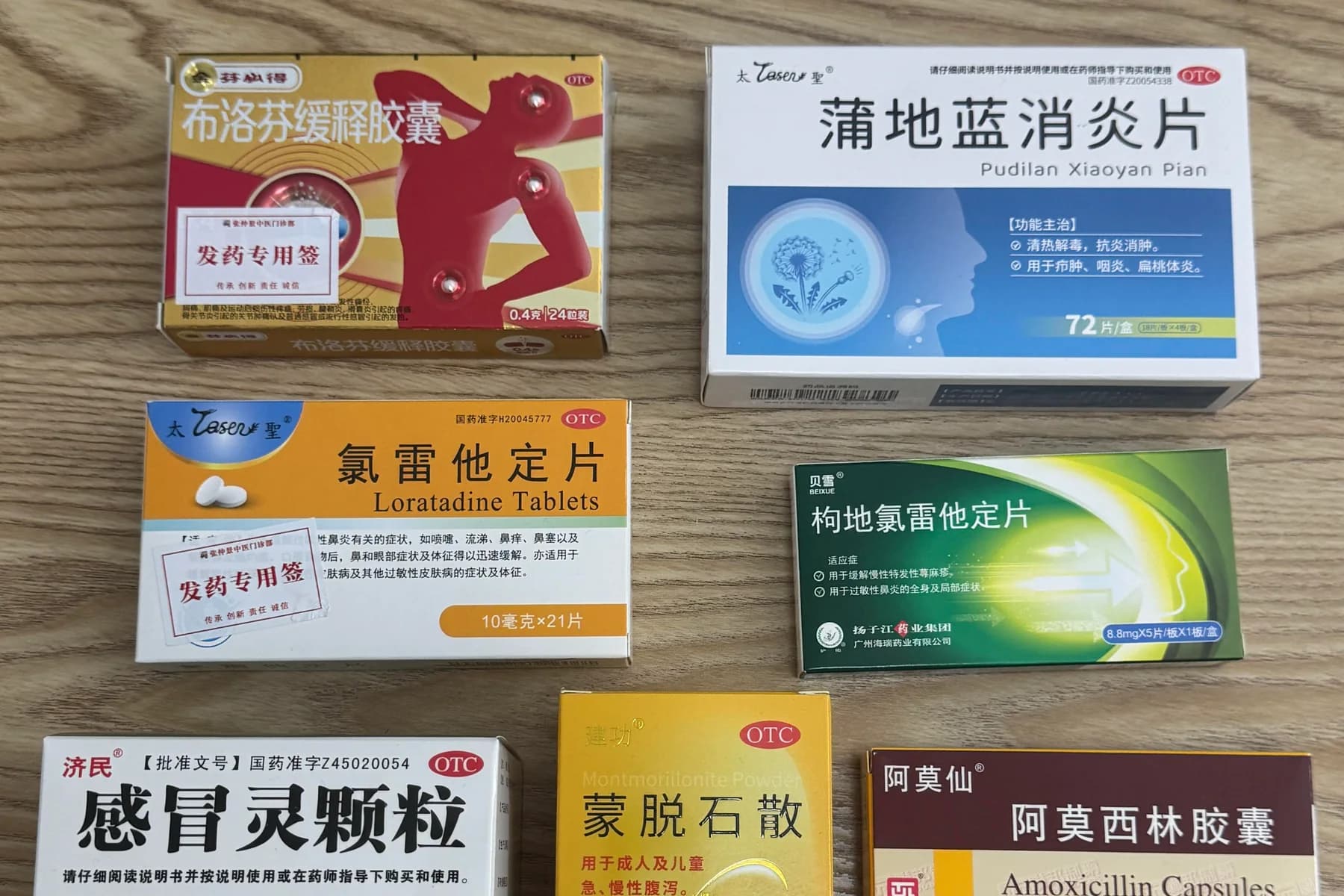
“Reasonable quantity” is not a universal number of tablets. It depends on the dosing schedule, trip length and product. Carry enough for the journey plus a modest disruption buffer agreed with the prescriber; do not turn a personal supply into a bulk quantity that appears intended for another person or for resale.
Keep the pharmacy label attached. Avoid mixing different medicines in an unmarked pill organizer for the border crossing. A daily organizer can be filled after arrival while the original containers and documents remain available.
Narcotic And Psychotropic Medicines
This category needs specific attention. Chinese customs guidance states that addictive narcotic drugs and psychotropic substances are generally prohibited from entry, but recognizes limited personal carriage when required for medical treatment and supported by the prescribed documents.
For narcotic drugs and Category I psychotropic substances required for treatment, the 2026 customs FAQ says an individual may carry no more than the maximum quantity permitted on a single prescription, with a certificate of diagnosis from a medical institution and proof of identity. It notes that Category II psychotropic quantities may be extended appropriately for a longer period. Customs review at the port remains decisive.
Do not infer Chinese classification from a medicine’s status at home. Treatments for pain, anxiety, sleep, attention disorders, epilepsy and other conditions can be classified differently between jurisdictions. Ask the nearest Chinese embassy or consulate, China Customs or another competent authority about the exact active ingredient well before travel.
A Document Set That Travels With The Medicine
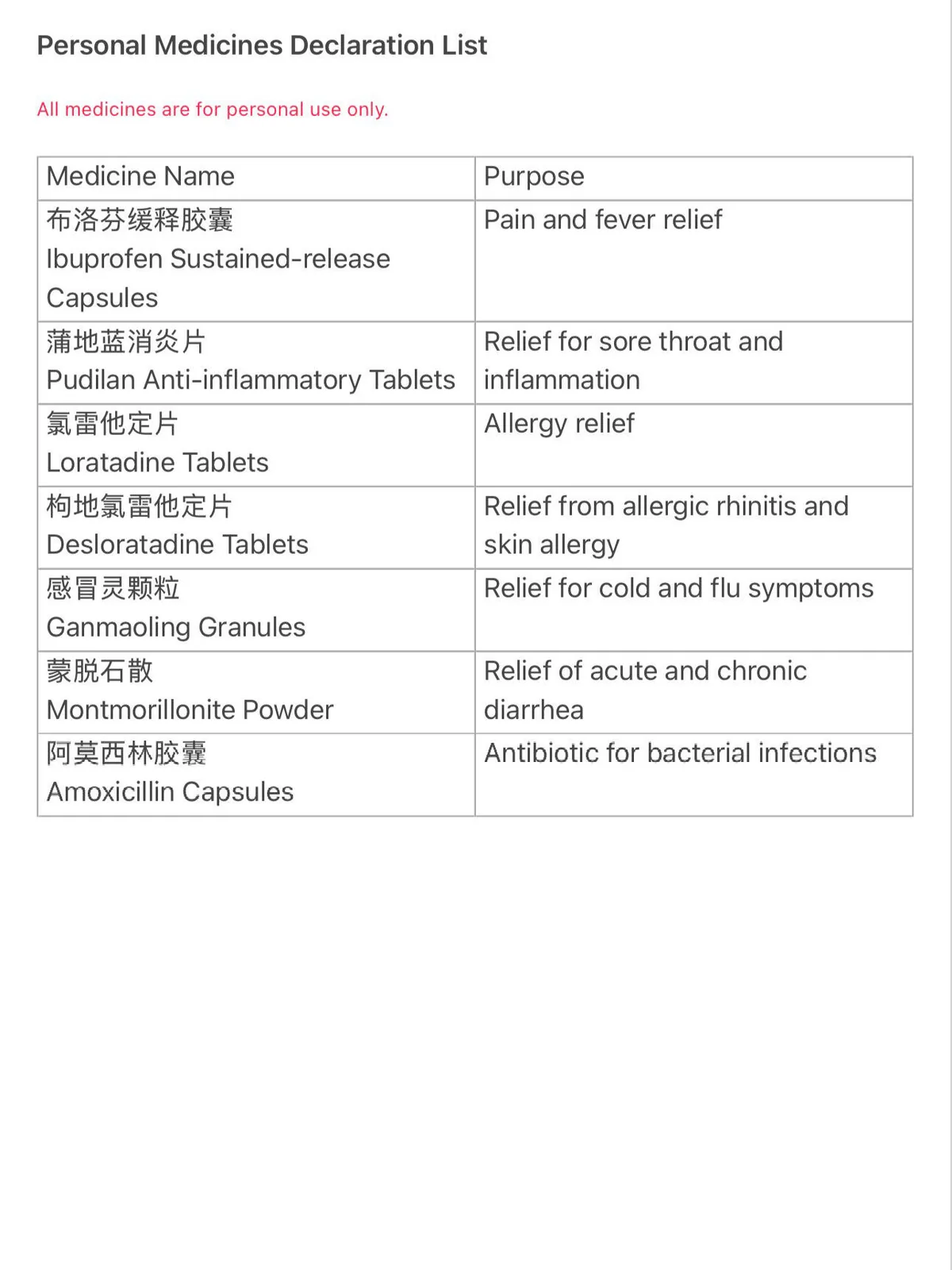
Prepare one paper set and one offline digital set:
- original prescription or certified copy;
- doctor’s letter or certificate of diagnosis;
- medicine list with generic names, strengths and quantities;
- passport identity page copy;
- any authority response or permit relevant to a controlled medicine;
- airline approval for medical equipment, sharps, batteries or excess liquid where required; and
- travel-insurance assistance details.
Do not store the only copy in a cloud service that may be unavailable at the airport. Keep sensitive health information secure and show it only when needed.
Packing Medicine For The Journey
Use Carry-On Baggage For Essential Doses
Keep essential medicine and documents in hand baggage so a delayed checked bag does not interrupt treatment. The airline controls cabin liquid, needle, ice-pack and medical-device procedures, so request written confirmation for anything unusual.
Keep Original Packaging Readable
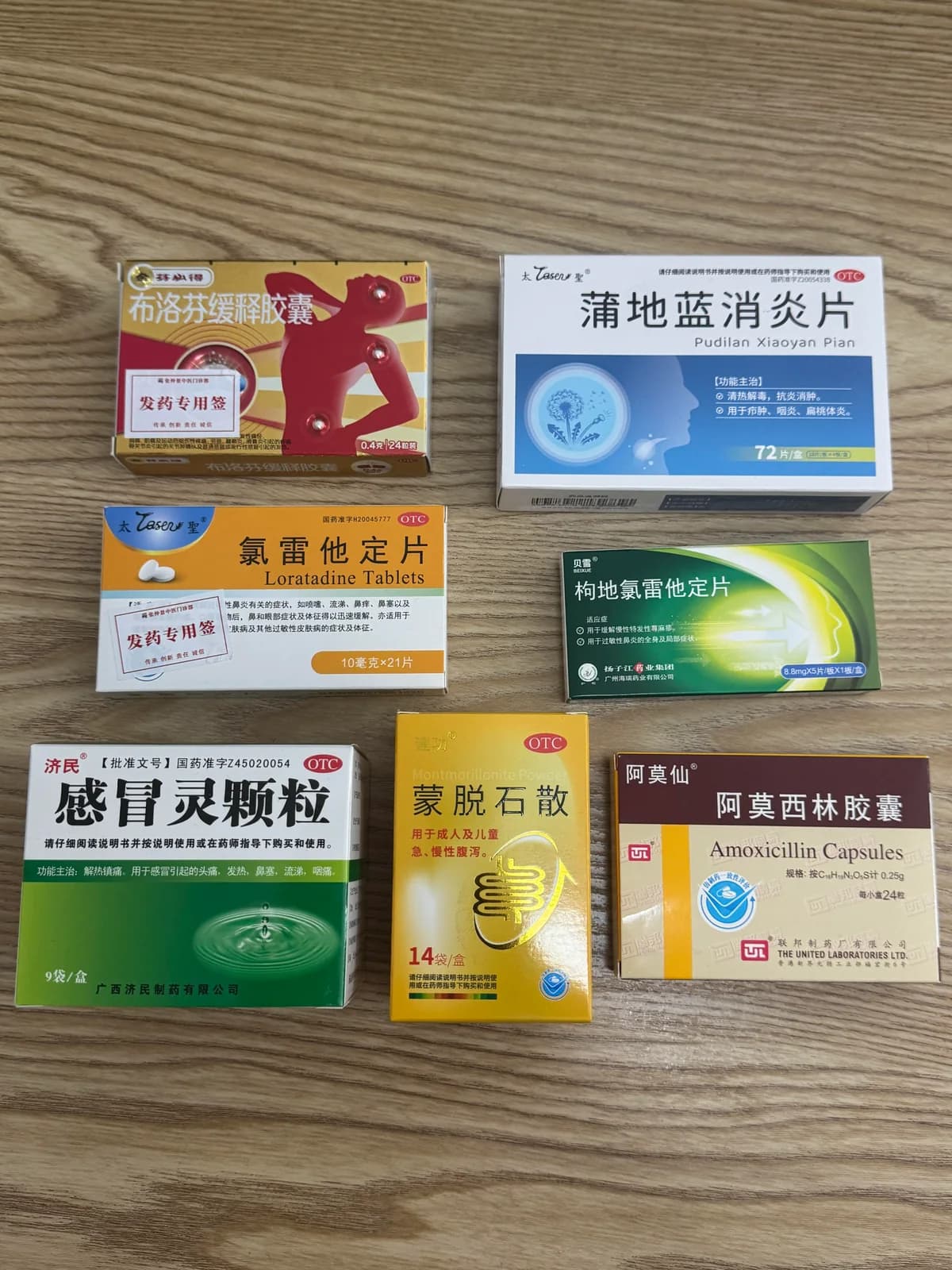
The label should show the patient, medicine, strength and dispensing pharmacy where possible. Protect glass vials and separate needles or lancets in a suitable case. Never conceal medicine in food, cosmetics or another unmarked container.
Plan Temperature Control Conservatively
If a medicine requires refrigeration, ask the manufacturer or pharmacist for its permitted temperature range and maximum time out of storage. Confirm the airline’s policy for cooling packs and whether each hotel can provide a refrigerator within the required range. A minibar is not automatically a medical refrigerator, and a tour operator should not promise temperature performance that a hotel has not confirmed in writing.
Divide Risk, Not Labels
When medically appropriate, a prescriber may advise splitting the supply between two adults’ hand baggage. Each portion should remain documented and in original packaging. Do not transfer prescription medicine to another person merely to avoid quantity scrutiny.
At China Customs
China Customs uses declaration channels and may inspect baggage. The current customs FAQ advises travelers with medicine to bring prescriptions, medical records or certificates of diagnosis and to declare the medicine proactively to customs officers at entry or exit.
If uncertain, choose the declaration path and present the documentation. A declaration does not guarantee admission, but hiding an item removes the opportunity for a straightforward documented review.
Be ready to explain:
- the active ingredient;
- why it is medically required;
- the daily dose;
- the length of the trip;
- the total quantity; and
- how it will be stored and used.
Remain concise and allow time for inspection. Do not schedule a tight domestic connection immediately after international arrival when controlled medicine or medical equipment may require additional review.
What AVIORA Can And Cannot Arrange
AVIORA can record medical logistics in the route brief, request hotel refrigerator details, protect transfer time and keep local contact information clear. It cannot diagnose, prescribe, classify a drug, guarantee customs clearance or certify a hotel refrigerator.
Travelers with mobility or long-term treatment needs can browse easy-paced journeys, while parents can browse family journeys. The planning FAQ covers insurance, emergency contacts and practical preparation. For a tailored route, start planning with non-sensitive operational needs first; detailed medical records should only be shared through an agreed secure channel when genuinely necessary.
Final Pre-Departure Checklist
- Verify every active ingredient against current Chinese rules.
- Ask the prescriber for generic names, doses and total quantities.
- Keep medicine in original labeled packaging.
- Carry the prescription, diagnosis letter and proof of identity.
- Obtain airline approval for liquids, sharps, cooling packs or devices when needed.
- Confirm hotel storage requirements in writing without assuming minibar performance.
- Leave time for customs inspection and declare when required or uncertain.
- Recheck official guidance shortly before departure.