Answer Brief
The Answer, Briefly
A Yunnan highland route should increase altitude deliberately. Dali, Lijiang and Shangri-La are not interchangeable scenic stops: each sits higher than the last, and road travel, sleep, weather and individual response shape how the journey feels.
AVIORA's 10-day private Yunnan journey travels from Dali through Shaxi and Lijiang to Shangri-La. That order supports gradual exposure and protects the first Shangri-La evening, but it does not guarantee that a traveler will avoid altitude symptoms.
In This Guide
| Place | Approximate elevation | Planning implication |
|---|---|---|
| Dali | 1,970 m / 6,463 ft | A gentler highland beginning for many travelers |
| Shaxi | 2,100 m / 6,890 ft | Continue gradually with a quieter two-night stay |
| Lijiang | 2,400 m / 7,874 ft | Monitor sleep and energy before optional higher mountain access |
| Shangri-La | 3,200 m / 10,499 ft | Protect arrival, hydrate normally and avoid overprogramming |
These are approximate town elevations. Scenic areas, passes and cable-car stations can be considerably higher.
What Altitude Can Feel Like
Travelers can experience headache, fatigue, poor sleep, dizziness, nausea or shortness of breath after ascending. Symptoms and risk vary. A travel planner should not diagnose them or tell a guest that a route is medically safe.
The role of the operator is to disclose the route profile, avoid an unnecessarily aggressive ascent, preserve flexibility and know how to obtain local medical help. Travelers with relevant medical conditions or concerns should seek advice from a qualified clinician before travel.
Why Dali First Is Operationally Useful
Dali provides time to recover from the gateway journey while already beginning the cultural story. Three nights allow the route to avoid treating arrival as sightseeing. The itinerary can then continue by road to Shaxi and Lijiang rather than making a sudden jump directly to Shangri-La.
Gradual ascent is sensible planning, not a medical guarantee. Some travelers feel symptoms at moderate elevations; others do not.
Protect The Lijiang Decisions
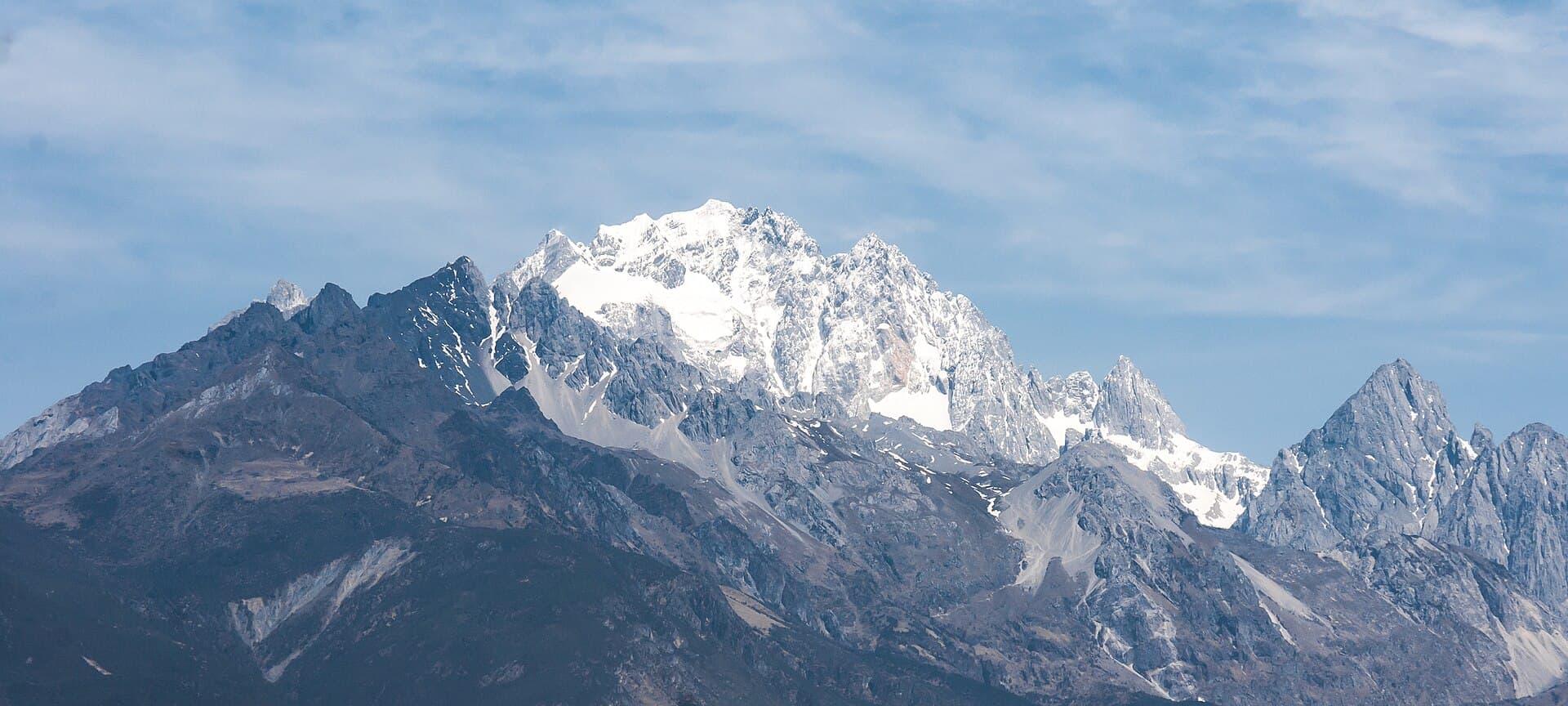
Jade Dragon Snow Mountain products can reach elevations far above Lijiang town. The itinerary should distinguish the base-city elevation from any high cable-car or viewpoint option. Weather, access controls and traveler comfort should shape the choice.
A premium proposal should not automatically include the highest available access because it looks impressive on paper. It should state the intended level, alternative and confirmation status.
The First Shangri-La Evening
The arrival should remain light. A calm hotel check-in, early meal and rest can be more valuable than adding another monastery, old-town circuit or performance. The next day can then be adjusted around sleep and energy.
Private operation helps because the vehicle, guide and schedule can respond to the party. It does not turn altitude into a concierge problem that can always be solved with an upgrade.
Hotel Selection At Altitude
At higher elevation, heating, room access, quiet, bathroom layout, elevator availability and distance from the vehicle can matter more than decorative luxury. Ask whether the hotel has stairs, how luggage reaches the room and what support is available if a traveler wants to rest while others continue.
Oxygen equipment should not be treated as a substitute for medical advice or appropriate descent. If a hotel advertises oxygen services, ask what is actually provided and how emergencies are handled.
Vehicle And Road-Day Planning
The Yunnan route includes substantial road sectors. A dedicated vehicle allows planned breaks, luggage continuity and the option to shorten a stop. Vehicle comfort cannot eliminate mountain-road motion, so travelers prone to motion sickness should discuss it before travel and seek medical guidance where appropriate.
When To Change The Route
Consider ending in Lijiang, adding nights or removing high-access activities when:
- A traveler has been advised to avoid altitude
- The party has very limited recovery time after long-haul flights
- Sleep disruption affects health or daily function
- The trip's purpose is primarily Dali and Lijiang culture
- The group does not enjoy long road journeys
Shangri-La is not mandatory for a meaningful Yunnan trip. It should earn its place through interest and suitability.