Answer Brief
The Answer, Briefly
A nine-day Beijing, Xi'an and Shanghai journey works when it is treated as three complete chapters connected by two carefully managed handovers, not as a race through a list of famous sights. Four Beijing nights protect the Great Wall and imperial city, two Xi'an nights give the Terracotta Army a real day, and two Shanghai nights create a coherent finish before departure.
This is the operating logic behind AVIORA's Beijing, Xi'an and Shanghai private first journey. It is designed for travelers who want China's essential historical arc without adding a fourth city simply to make the route look larger.
In This Guide
| Route chapter | Nights | Main purpose | Pressure point to protect |
|---|---|---|---|
| Beijing | 4 | Imperial history, Temple of Heaven and a full Great Wall day | Do not place the Great Wall immediately after a late arrival |
| Xi'an | 2 | Terracotta Army and the old capital | Keep the archaeology day separate from the rail handover |
| Shanghai | 2 | Neighborhoods, architecture and contemporary China | Preserve one complete city day before departure |
Why These Three Cities Belong Together
Beijing, Xi'an and Shanghai do different jobs. Beijing explains the imperial state through the Forbidden City, Temple of Heaven and the Great Wall. Xi'an moves the story deeper into early imperial China through the Mausoleum of the First Qin Emperor and the Terracotta Army. Shanghai then shows how history, commerce, design and everyday urban life coexist in modern China.
The route is strongest when each city is allowed to be different. Trying to make every day contain a monument, food tour, performance and shopping stop weakens the contrast. A good private itinerary edits.
What Nine Days Can And Cannot Hold
Nine calendar days normally provide eight hotel nights. Arrival and departure days are not full sightseeing days. The Beijing-to-Xi'an rail day and the Xi'an-to-Shanghai movement also consume real time, even when every transfer is well handled.
A realistic nine-day design can protect:
- One calm arrival and local briefing
- The Forbidden City with historical context
- The Temple of Heaven and a flexible Beijing layer
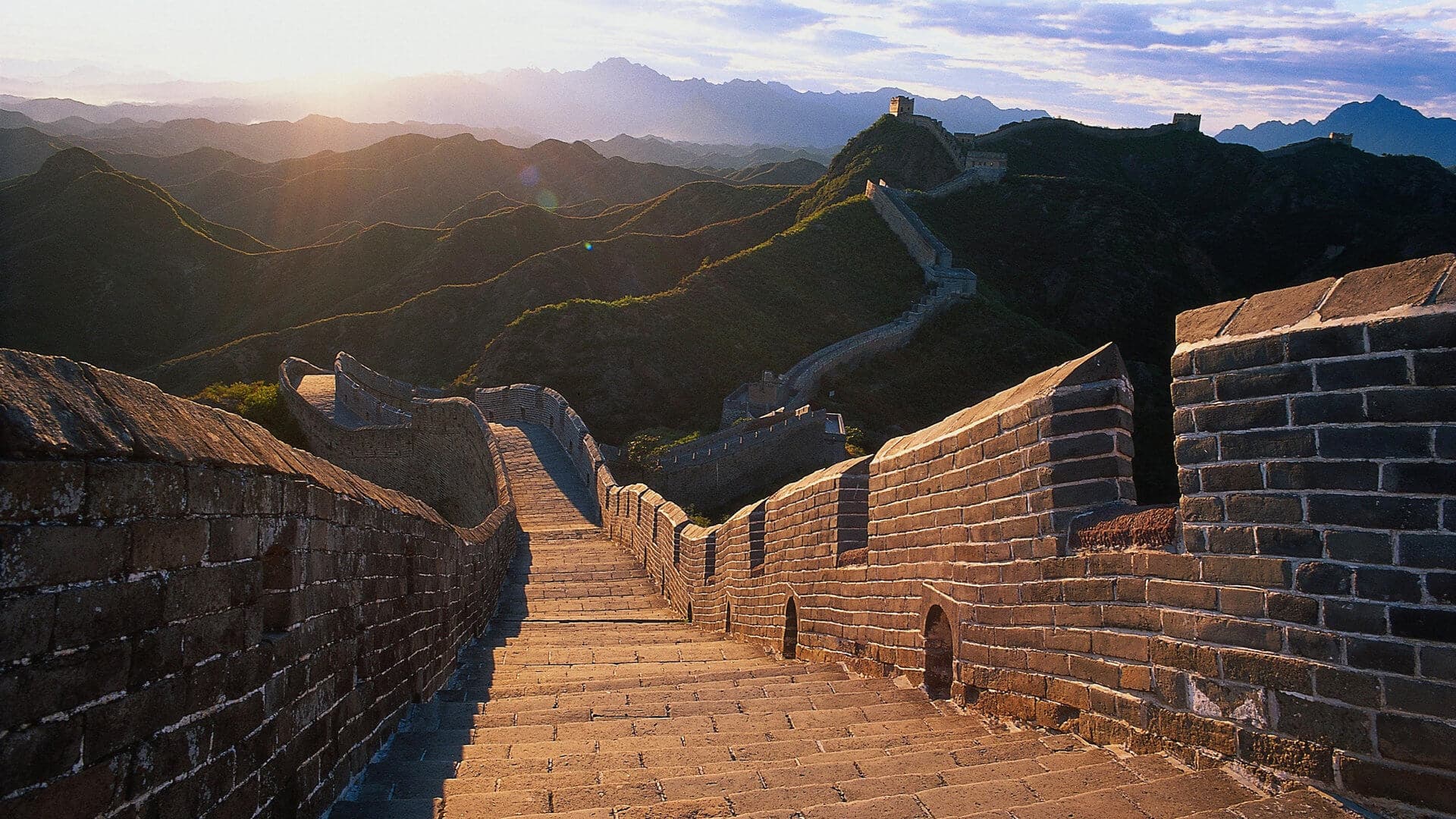
- A dedicated Great Wall day
- A managed high-speed rail handover
- A full Terracotta Army day
- One complete Shanghai day
- A departure plan built around the confirmed flight
It cannot provide the same depth as twelve days, and it should not pretend to. Travelers wanting slower mornings, extensive museums, specialist-led private sessions or multiple free half-days should add time rather than compress more into the same route.
Where Private Operation Changes The Experience
The value is not that a private vehicle can eliminate every line or walk. It cannot. The value is control over sequence, timing and responsibility.
In Beijing, the guide can shape the Forbidden City around the party's historical interests and standing tolerance. At the Great Wall, the section, start time and cable-car plan can be selected around weather and mobility. On the rail day, the operator can connect hotel departure, passport-linked tickets, station entry, luggage guidance and the Xi'an arrival transfer as one movement. In Shanghai, the final day can be edited around architecture, food, neighborhoods or a lighter pace.
China Railway states that foreign passengers use valid passports for real-name tickets and boarding. That makes accurate passport data and a clear handover process operationally important, not administrative decoration.
Who This Route Suits
This route is a strong starting point for first-time visitors, couples, families with older children and multigenerational parties comfortable with several substantial heritage days. It also suits travelers who prefer fewer hotel changes over collecting destinations.
It is less suitable when Chengdu's pandas are a non-negotiable priority, when the party wants an extremely slow pace, or when mobility needs require shorter daily walking blocks and more recovery. Those cases should change the route or the number of nights rather than rely on a guide to make an overloaded plan comfortable.
What The Published Price Means
The journey currently shows an indicative starting price of US$3,190 per person, based on four guests sharing two rooms outside peak holiday periods. It includes the published hotel, private-service, admission and transport assumptions described on the product page. It is not a universal price for every date or party size.
The written proposal should identify the exact hotels or promised standard, room arrangement, rail class, included meals, guide and vehicle days, admissions, exclusions and confirmation status. Smaller parties may pay more per person because private guide and vehicle costs are divided among fewer travelers.
The Decision To Make Before Requesting A Proposal
Choose whether the route's job is to provide a confident first view of China or to maximize the number of cities. If it is the first, Beijing, Xi'an and Shanghai form a complete journey. Share the actual international flights, traveler count, room needs and walking comfort before asking for hotels or upgrades. The route should be tested against those facts first.